




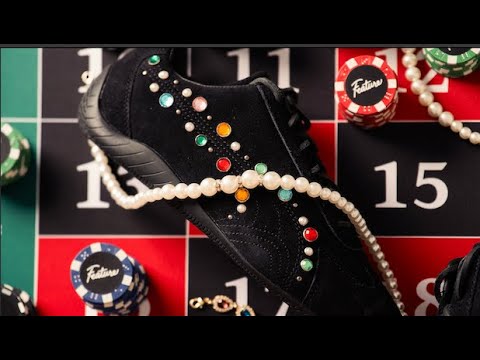

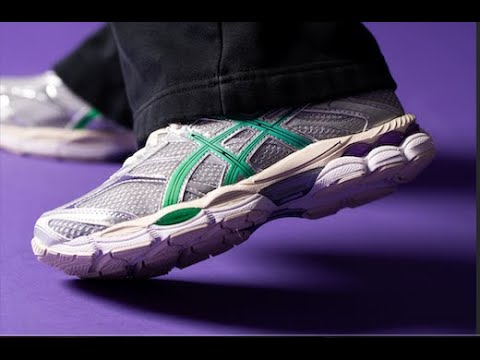


The Distorted Sole Explained: Maison Mihara Yasuhiro
Alex Kure
Maison Mihara Yasuhiro has built a reputation on the unexpected. With designs that look familiar yet distinctly unconventional, the brand has carved out its own lane in contemporary footwear—one defined by sculptural shapes, experimental craftsmanship, and a playful approach to everyday style.
The Story Behind the Brand
Before the warped soles and hand-sculpted uppers became a global staple, founder Mihara Yasuhiro started his career studying shoe design in London. His early work centered around premium leather craftsmanship, blending Japanese precision with Western influences. By the late ’90s and early 2000s, Mihara emerged as one of Japan’s most forward-thinking voices in footwear—eventually collaborating with major brands and expanding into ready-to-wear.
Maison Mihara Yasuhiro, established as the designer's namesake label, took his experimentation even further. The brand’s philosophy centers on embracing imperfections and challenging traditional sneaker construction. Rather than chasing clean lines or minimalism, Mihara leans into irregularity—warping proportions, reshaping familiar silhouettes, and elevating ordinary styles into something artistic and expressive.

The Origin of the Distorted Sole
The signature detail that defines a Maison Mihara sneaker is the hand-sculpted sole unit. Mihara literally carved the first version out of clay, shaping it by hand to mimic the natural wear and bending of a shoe over time. That clay model was then 3D-scanned and molded into a durable rubber sole for production—capturing every bump, curve, and uneven edge from the original sculpture.
This approach created what the brand calls the “OG Sole,” a foundation for many of its low-tops, high-tops, and canvas sneakers. Unlike traditional cupsoles or vulcanized styles, Mihara’s sculpted designs intentionally feel organic and fluid, giving each pair a slightly exaggerated, almost dripped-in-wax appearance. Over the years, the brand has introduced multiple iterations—chunkier profiles, streamlined versions, and seasonal updates—but the philosophy remains the same: a sole that looks alive.
Some of the key features include:
-Hand-drawn proportions that exaggerate toe boxes and mudguards
- Misaligned paneling meant to mimic vintage shoes that have softened over time
- Textural details that make the sneaker feel worn-in from day one
- Chunky rubber wrapping around the midsole for added character
- Strategic distressing depending on the model or season

While the style often feels playful, the craftsmanship behind Maison Mihara sneakers is serious. Many styles use durable canvas, premium leather, or washed suedes, and each pair features custom-molded tooling unique to the brand. Even the more experimental pairs—like the melted-rubber silhouettes or 3D-printed accents—are built with long-term wear in mind.
In a market filled with heritage silhouettes and predictable remakes, Maison Mihara continues to innovate by reshaping the definition of a “classic” sneaker. Their approach is equal parts nostalgic and disruptive—making them a favorite among fashion enthusiasts who appreciate both craftsmanship and creative expression.


Maison Mihara Yasuhiro
See All

Maison Mihara Yasuhiro
Peterson Low OG Sole Canvas Sneaker - Black
$419.00

Maison Mihara Yasuhiro
Peterson 23 Low OG Sole Canvas - Black
$385.00

Maison Mihara Yasuhiro
Peterson 23 Low OG Sole Canvas - White
$385.00

Maison Mihara Yasuhiro
Peterson Low Vintage Color Sole Canvas - Black
Sold Out

Maison Mihara Yasuhiro
Peterson Low Vintage Color Sole Canvas - White
$359.00

Maison Mihara Yasuhiro
Sun Faded Tee - Black
Sold Out

Maison Mihara Yasuhiro
Sun Faded Tee - Brown
Sold Out


